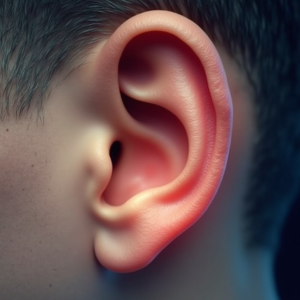
Tinnitus is the sensation of ringing or other noises in one or both of your ears. The noise you hear when you have tinnitus isn’t caused by an external source, and other people usually can’t hear it. Tinnitus is a common problem; it affects about 15 to 20% of people and is more common among older adults.
Tinnitus is usually caused by an underlying condition, such as age-related hearing loss, an ear injury, or a circulatory system disorder. For many people, tinnitus improves with treatment of the underlying cause or with other treatments that reduce or mask the noise, making the symptoms less noticeable.
Symptoms
Tinnitus is often described as hearing ringing in the ears even when no external sound is present. However, tinnitus can also cause other phantom noises in your ears, such as:
- Buzzing
- Roaring
- Clicking
- Hissing
- Humming
Most people with tinnitus experience subjective tinnitus — tinnitus only they can hear. The noise can vary in pitch from a low roar to a high squeal, and you might hear it in one or both ears. In some cases, the sound can be so loud that it interferes with your ability to concentrate or hear external sound. Tinnitus may be present all the time, or it may come and go.
In rare cases, tinnitus can occur as a rhythmic pulsing or whooshing sound, often in time with your heartbeat. This is known as pulsatile tinnitus. If you have pulsatile tinnitus, your doctor may be able to hear it during an examination (objective tinnitus).
When to See a Doctor
Some people aren’t bothered much by tinnitus. For others, tinnitus disrupts their daily lives. If you have tinnitus that bothers you, you should see a doctor.
Make an appointment to see your doctor if:
- You develop tinnitus after an upper respiratory infection, such as a cold, and your tinnitus doesn’t improve within a week.
See your doctor as soon as possible if:
- You have hearing loss or dizziness along with the tinnitus
- You are experiencing anxiety or depression because of the tinnitus
Prevention
In many cases, tinnitus is caused by something that can’t be prevented. However, some precautions can help prevent certain types of tinnitus.
- Use hearing protection. Over time, exposure to loud sounds can damage the nerves in the ears, causing hearing loss and tinnitus. Try to limit your exposure to loud noises. If you can’t avoid loud sounds, use hearing protection to help safeguard your hearing. If you use chainsaws, are a musician, work in an industry that uses loud machinery, or use firearms (especially pistols or shotguns), always wear over-the-ear protection.
- Turn down the volume. Prolonged exposure to loud music without ear protection or listening to music at high volume through headphones can cause hearing loss and tinnitus.
- Take care of your cardiovascular health. Regular exercise, eating right, and taking other steps to maintain a healthy cardiovascular system can help prevent tinnitus linked to blood vessel disorders.
- Limit alcohol, caffeine, and nicotine. These substances, especially when consumed excessively, can affect blood flow and contribute to tinnitus.